Shinto traditionally had a spiritual connection with Japan and the emperor. Using the tradition of Shinto, the government and militarists created “State Shinto” and used it to spread Emperor Worship between 1868 and 1945.


Japanese people were told that the emperor was divine himself and the highest purpose of every subject’s life was death in his service. (Douglas McArthur, Reminiscence, p311)


The Emperor was also considered the Supreme Commander of Japanese Force and the Highest Priest of Shinto.
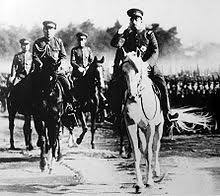

The Emperor was considered a divine being, and the average Japanese subject dare not even lift up his eyes to view his ruler. This God-Emperor was absolute. His word was final (Reminiscences, p284)
State Shinto utilized the Christian concepts to promote ideology of Japanese superiority. Public schools backed up State Shinto’s doctrine. The school text book taught that Japan was the sole kingdom of god(s) and the light of the world. These concepts belonged to Christianity, not to Shinto.
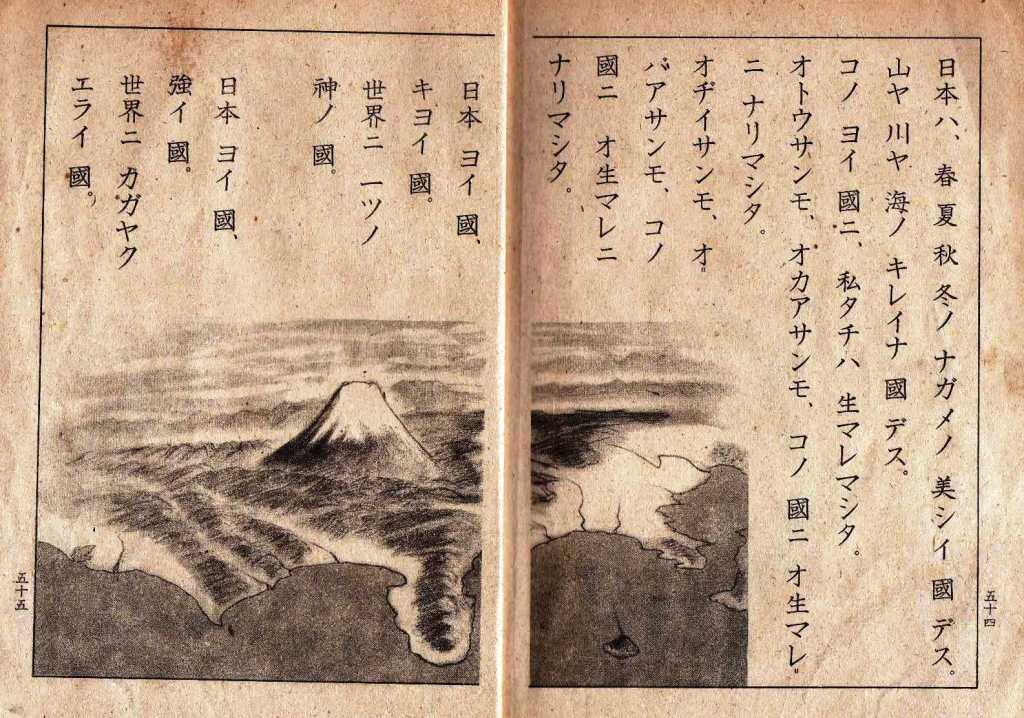
Japan is the country with the natural beauties of four seasons. We were born in this good country. Your father, mother, grandfather, and grandmother were also born in this country. Japan is the righteous, holy country, and “the sole kingdom of god(s) in the world.” Japan is righteous, strong, and superior as the light of the world (elementary textbook, 1943)
The society of Japan was totally controlled by Emperor Worship in the 1930s and early 1940s. Soldiers, teachers, students, and civilians performed the State Shinto ritual of bowing to the Emperor, his portrait, or toward the Imperial Palace in Tokyo.
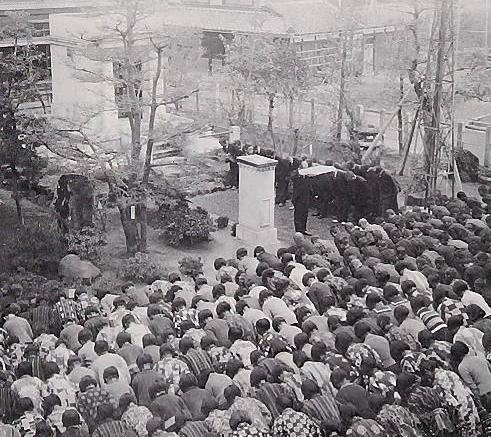
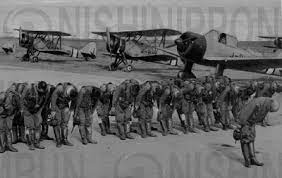

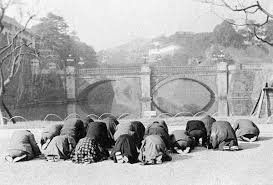

The militarists who had led Japan into war had used this religion to further their efforts, and the state still subsidized it (Reminiscences, p311)


State Shinto believed only the Emperor as a god. The state religion suppressed other religions, including Buddhism.
State Shinto was fabricated from a mixture of Christianity and Shintoism.
 Spiritual War in Japan
Leave a comment