The difference between Shinto and Sate Shinto is the worship of the emperor as a god. But State Shinto does worship a single ruling god, the emperor.
Shinto is the religion of idolatry, which worships what the Bible calls idols, including birds, animals, or reptiles.
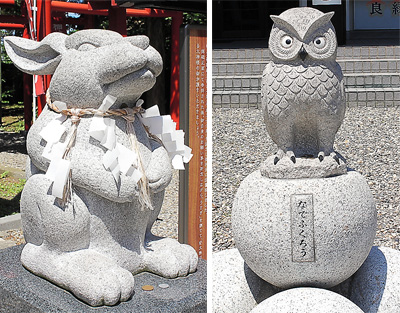
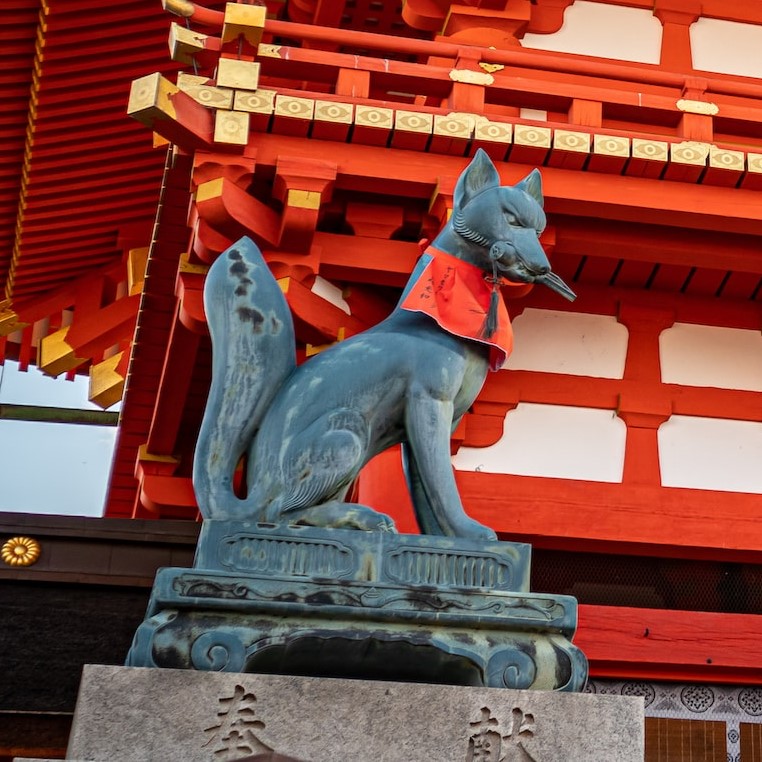

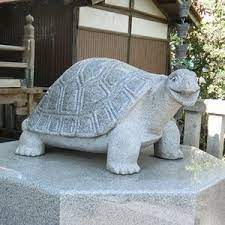
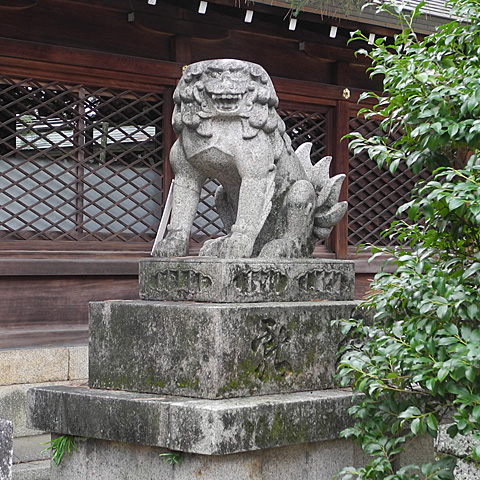
And instead of worshiping the glorious, ever-living God, they worshiped idols made to look like mere people and birds and animals and reptiles. (Romans 1:23)
Although Shinto worship 8 million gods, Shinto had no history of emperor worship, for Shinto has no concept of a single ruling god.
When Japan opened its door to the western world in 1868, State Shinto, a state religion, began worshiping the emperor as the single ruling god of Imperial Japan.
The emperor became the top of Japanese gods of local shrines, schools, and military force. State Shinto put other religions under control, including Buddhism.

Under a State Shinto order, Zen monks conduct military drills in preparation for war in 1939
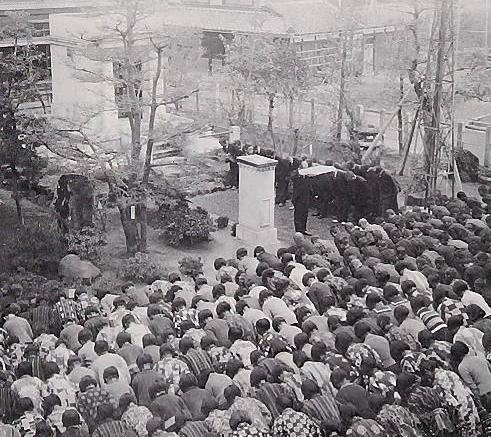
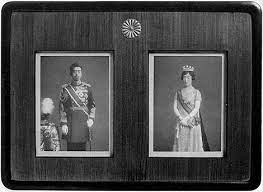
Teachers and students bow to the portrait of the emperor placed in school shrine.
Between 1880 ant 1947, Japan had the blasphemy law (不敬罪) to punish any Japanese who would not show respect to the Emperor and the imperial family.
Herbert Bix, a journalist with the Pulitzer Prize winner, writes a case of Japanese blasphemy.
On November 16, 1934, for example, a motorcycle policeman leading the imperial motorcade through Kiryu City, Gumma prefecture, was supposed to take a left turn at an intersection. Instead he led the procession straight on, slightly upsetting the itinerary of the tour. Seven days later the policemen committed suicide, the governor of Gumma and all the top officials involved in staging the tour were reprimanded, police officials in Gumma had their salaries docked for two months; and the home minister himself was questioned and severely criticized in the Imperial Diet (Hirohito and the Making of Modern Japan, p197)
The police officer committed suicide because he failed to show proper respect to the Emperor. He had to take responsibility for his discourtesy by killing himself. The leaders and people of Japan took his suicide for granted, for they could not discern between good and evil.
According to Herbert Bix, the elite power holders of Japan manipulated people into believing the emperor as the source of Japanese morality.
They actively encouraged people to look to the emperor as the source of their morality–an omnipotent ruler conjoining political and military power with religious authority (Hirohito and the Making of Modern Japan, p202)
State Shinto does not forgive the failure of performing the military duty. When failing to accomplish the military duty, there is no return for a Japanese serviceman.
None of Shinto gods has the authority to forgive human errors.
 Spiritual War in Japan
Leave a comment