Warning: This post contains unpleasant and horrifying images. Open it at your own risk.
Before 1945, the Japanese government presented war as purifying, with death defined as a duty.
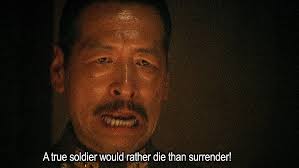
The Imperial Army did not allow soldiers to surrender. State Shinto taught that being captured by the enemy was a great disgrace to the emperor, Japan, and their family.
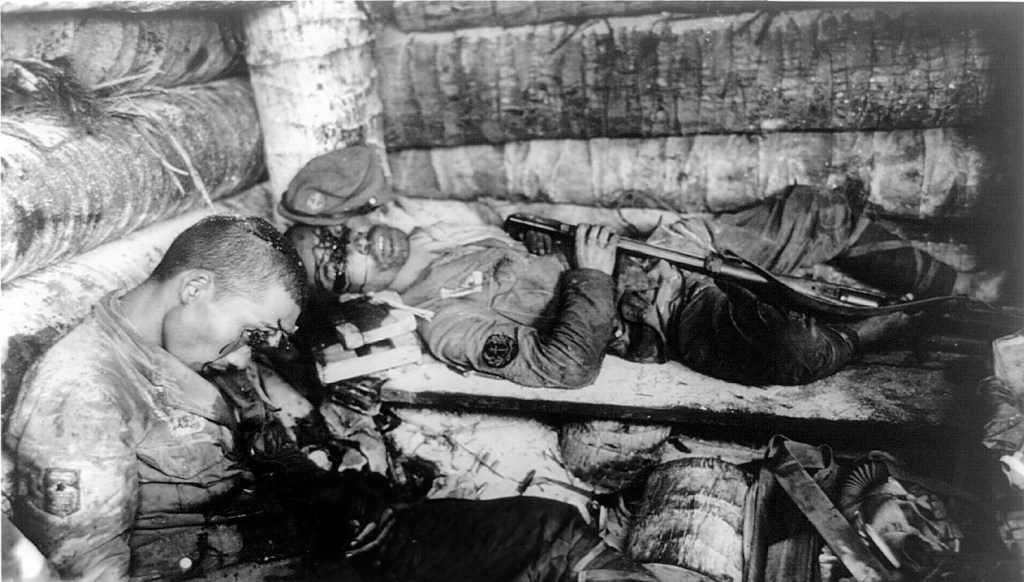
A photo shows two Japanese Imperial Marines who shot themselves rather than surrender on Tarawa, the Pacific. In case of losing the battle, Japanese solders left the last bullet to kill themselves. All hope is lost because forgiveness is not available for the shame of surrender.

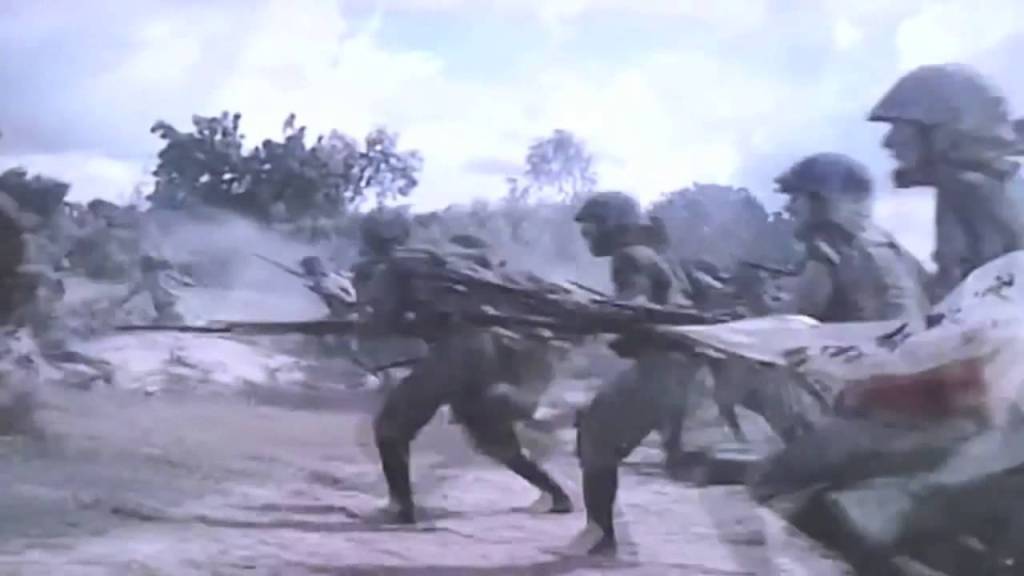
When losing the battle, the army launched a massive banzai charge on American lines. Almost all the Japanese soldiers taking part in the charge were killed.
During the battle of Attu, only 28 remained of the Japanese force which had originally numbered roughly 2,600, which the Americans lost 549 solders out of 15,000.
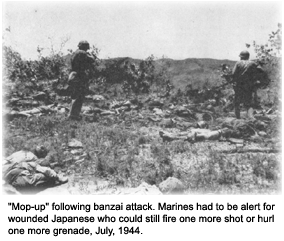

Banzai attacks were executed to avoid the shame and disgrace of being captured or avoid the assumed brutality and torture at the hands of Allied forces. All hope is lost because forgiveness is not available for the shame of being captive alive.
The Japanese soldiers could think no better.
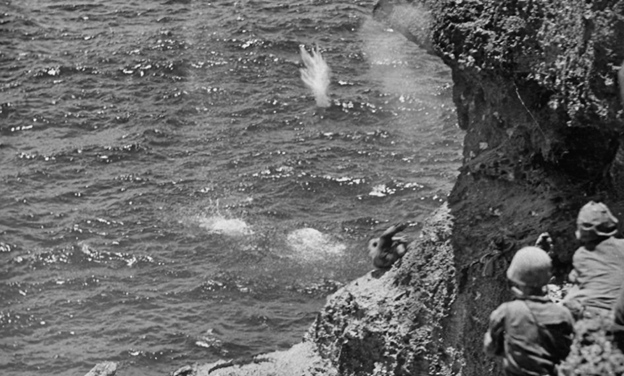
Desperation. Saipan civilians jump off Banzai Cliff rather than surrendering to American troops after the Japanese defeat in July 1944. Around 1,000 civilians perished this way.
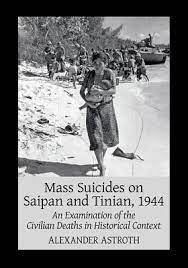
Following U.S. attacks on Saipan and Okinawa, thousands of Japanese civilians took their own lives. According to some accounts, many civilians were coerced into killing themselves and were provided grenades by the Japanese Imperial Army to do so.
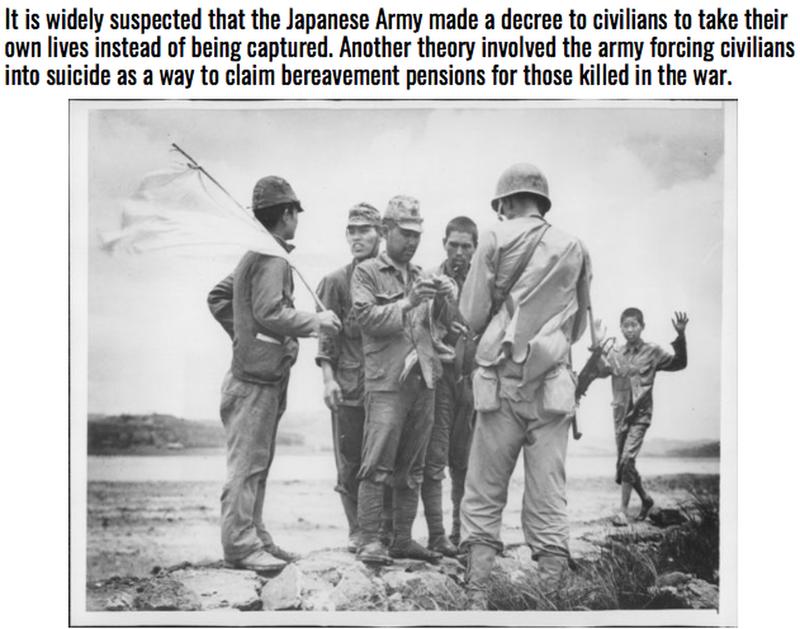
State Shinto demanded that soldiers and civilians should die rather than being captured. They thought that surrender was blasphemy to the emperor and Japan.
German soldiers did not act like Japanese soldiers in WWII. There was no State Shinto influence in Nazi Germany.
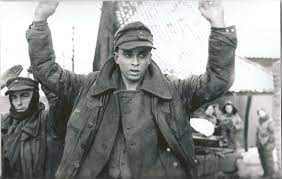
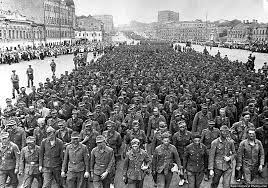
After losing the battle, German soldiers surrendered without killing themselves. Germans did not coerce civilians into committing suicide. They did not give out grenades for civilians to kill themselves.
Unlike Japanese soldiers, Germans believed that both of soldiers and civilians have the right to live after surrender. Hope was not lost even after surrender.
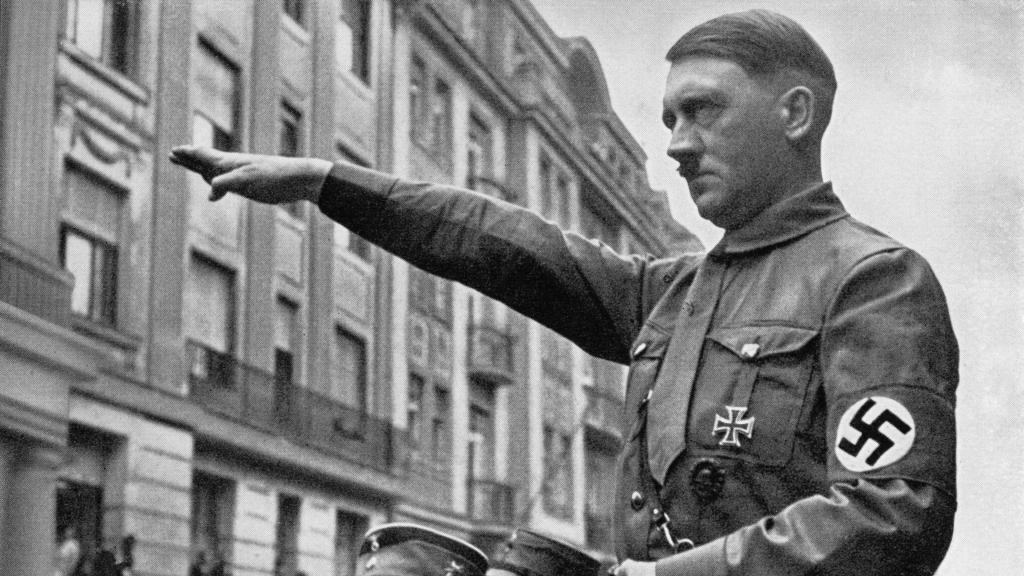
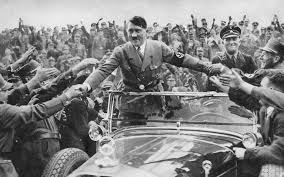
German soldiers did not worship Adolf Hitler as a living god. After the war, Germans faced up to the dark side of their past and repented on their war crime.
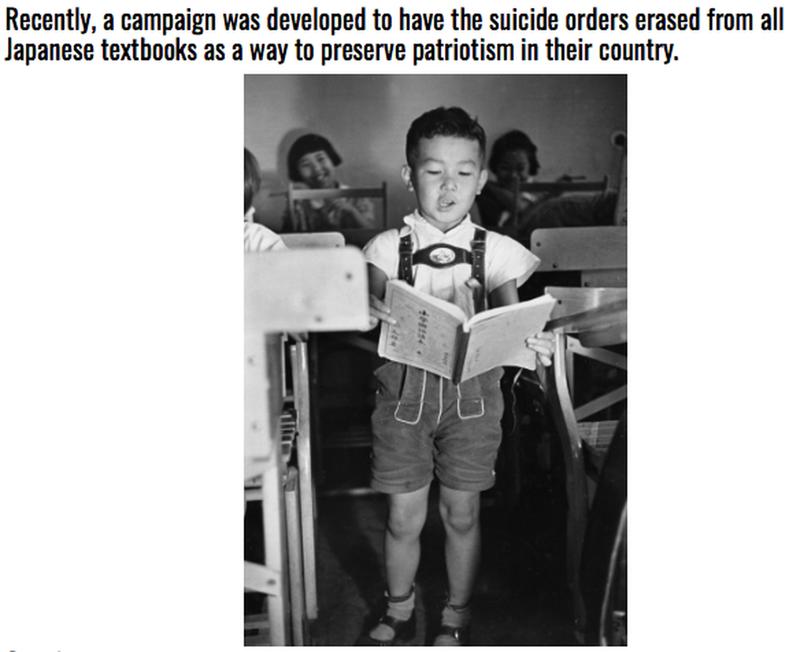
State Shinto is reviving in Japan. The elite power holders of Postwar Japan try to avoid Japanese repentance on war crime. Erasing the memories of the war, these Shinto followers are trying to whitewash Japan with lies.
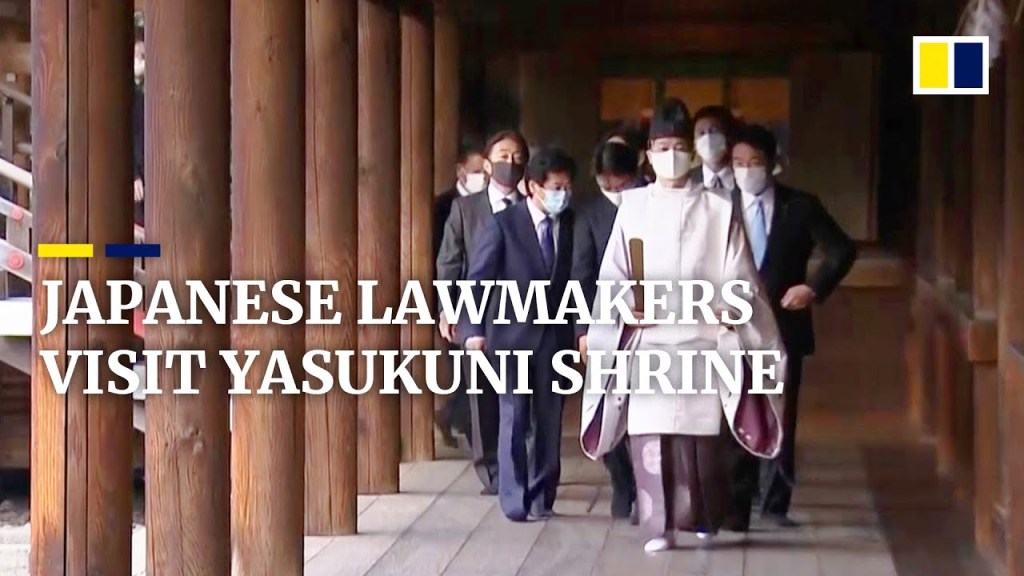
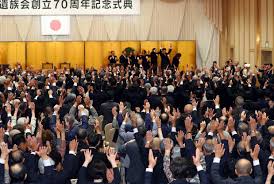
Japanese lawmakers remain unable to discern the problem of evil. State Shinto denies the concepts of sin and repentance. And Shinto gods have no authority to forgive human transgressions.
German people had a hope of forgiveness through repentance. This is why they repented and reconciled with their neighbors. They knew God has the authority to forgive German sins.
The Japanese with Shinto faith have no hope of forgiveness. They have no concepts of sin and repentance because they have no relationship with God. The Japanese do know know God that has the authority to forgive their sins.
Japanese have a deep, unconscious fear of repentance. The Japanese have no hope of forgiveness, just like the Japanese soldiers had no hope of life after surrender.
Under this circumstance, the message I received in 2022 makes a sense.
It’s time for Japanese people trapped in the darkness to see the light. Do not judge them. The Japanese are being deceived by Satan and deprived of their life and freedom. God intends to awaken the Japanese in the least painful way
Start talking with the empeor worship. Then focus on the denial of human rights behind the current problem. God is with you. God has promised to free Japan from the devil’s rule. It’s time for the Japanese to see the glory of God.
I will talk about the emperor worship from the next post.
 Spiritual War in Japan
Leave a comment