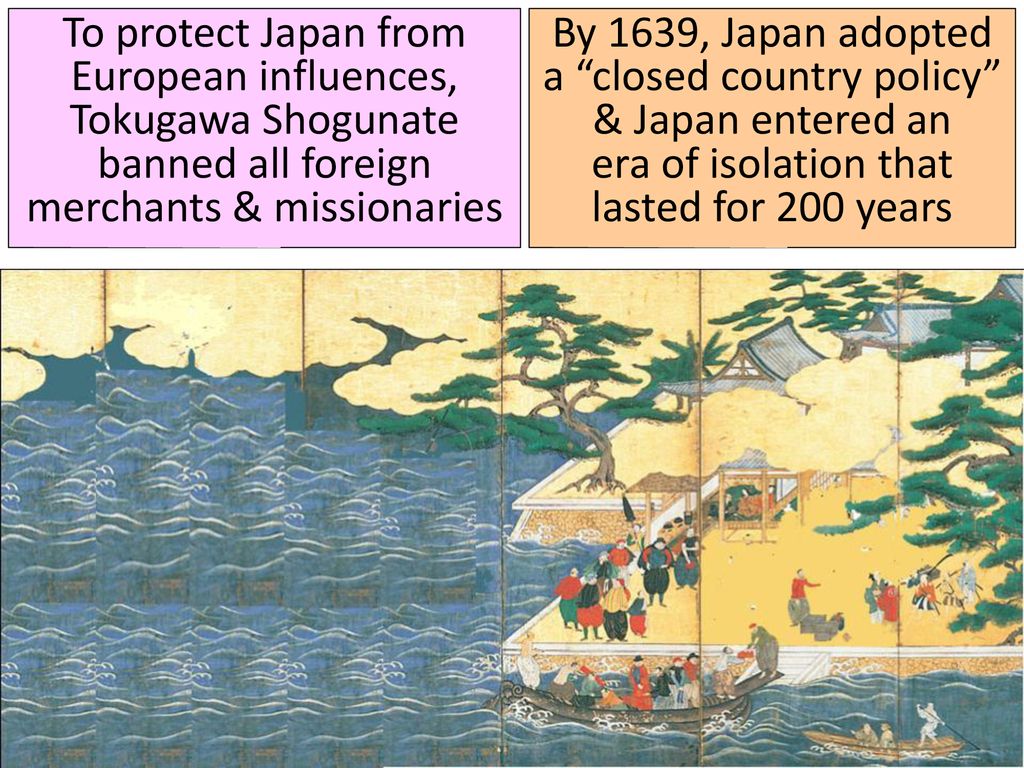
Japan has an anti-Christ history. By 1633, the Tokugawa Shogunate decided that Christian influence was harmful to Japan. Developing the National Seclusion Policy, the leaders of Japan separated Japanese people from Western traders and Christian missionaries from 1639 to 1853.
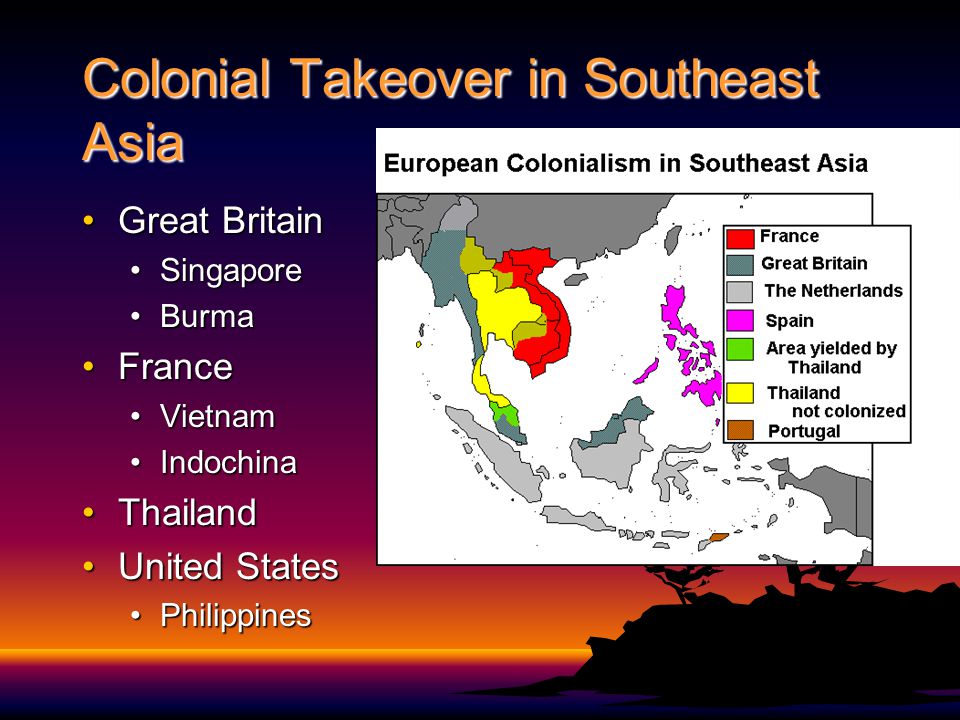
Japan opened its door in 1853 under the pressure of Western Imperialism. The elite power holders of new Japan were shocked when they saw the colonial takeover in Southeast Asia. Japan was surrounded by the Asian neighbors colonized by Western powers.
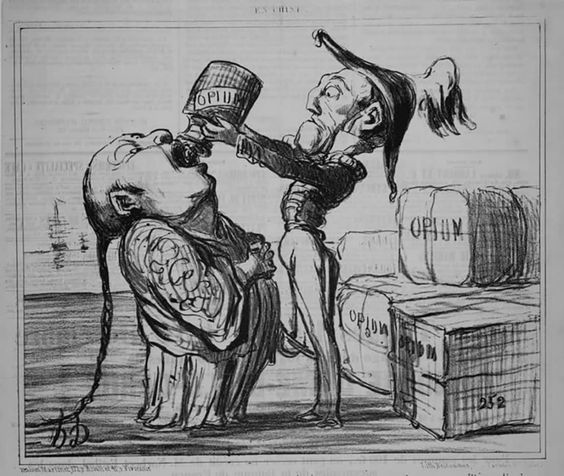
The leaders felt that Japan was the next to be colonized. They saw what had happened to China losing the Opium war.
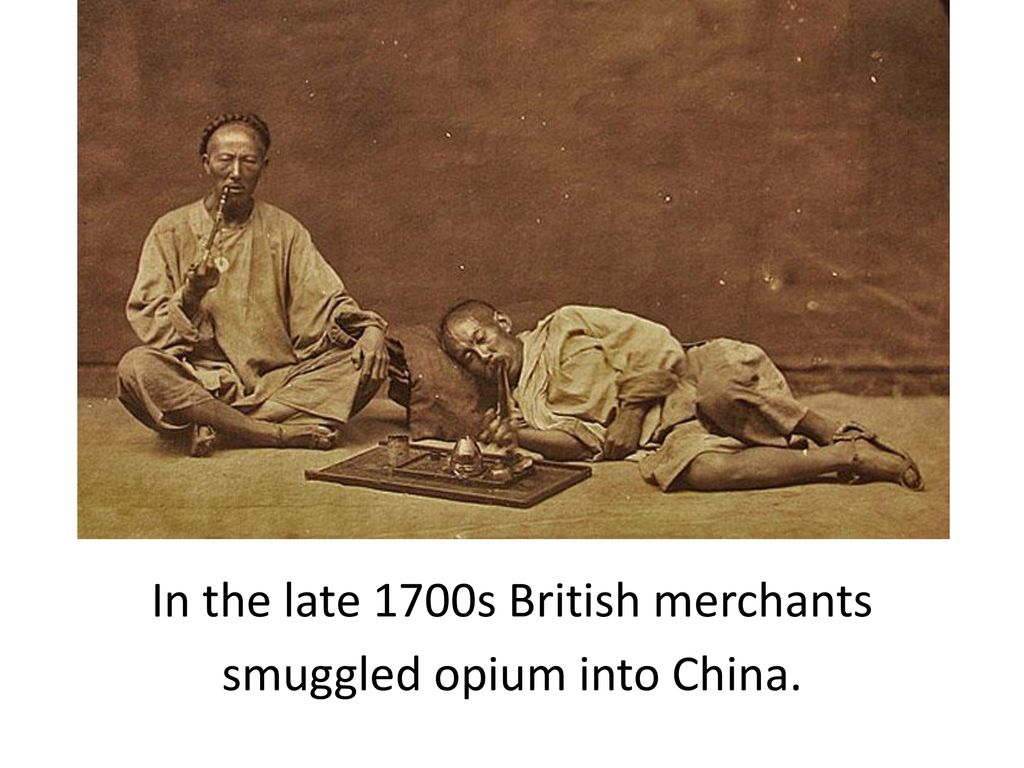
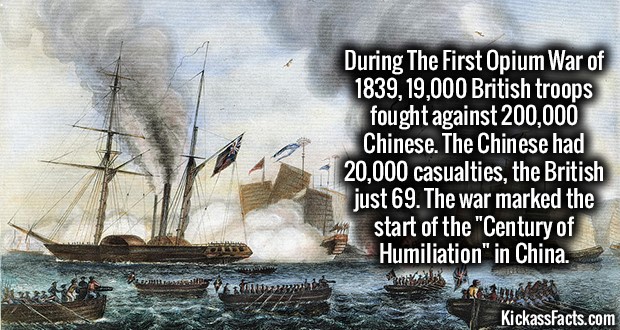
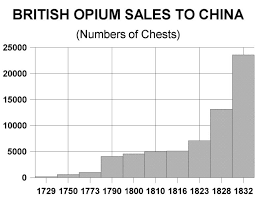
Japan had a tradition of viewing the danger of European trade and Christian missionaries. This is why the Tokugawa Shogunate banned all foreign merchants and Christian missionaries in 1639.
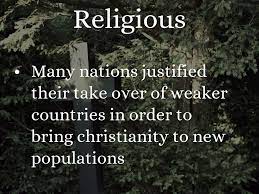
In 1868, the Japanese elites saw the same threats of Western trade and Christian mission work. To the eyes of the Japanese leaders, Europeans always demanded unfair trade and freedom for Christian missionaries.
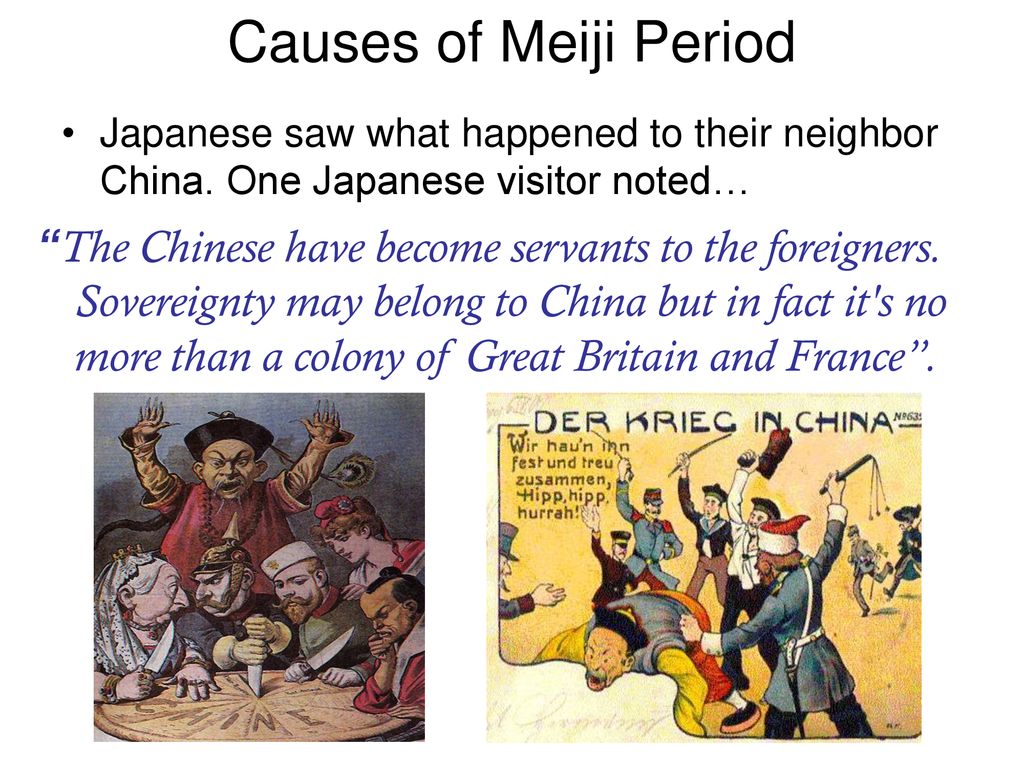
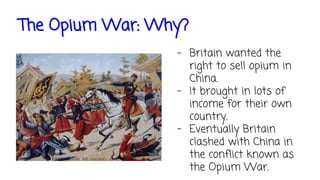
The leaders were afraid that if Japan lost the war of Western countries, Japan would be forced to accept opium trade. They also feared that Japan would have to allow freedom for Christian missionaries.
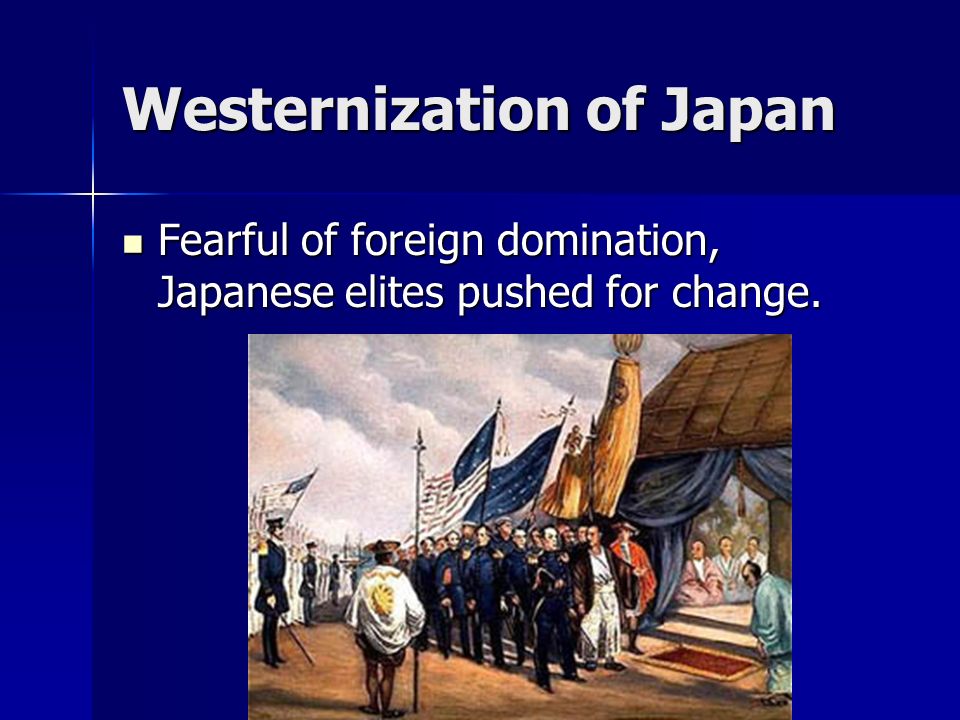
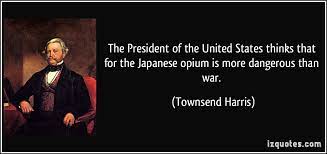
Meiji Japan was facing two Western threats to Japan’s independence: opium trade and Christian mission work. The leaders of Japan decided that war was better than opium and Christianity.
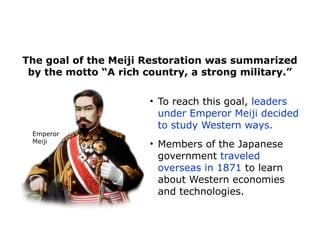
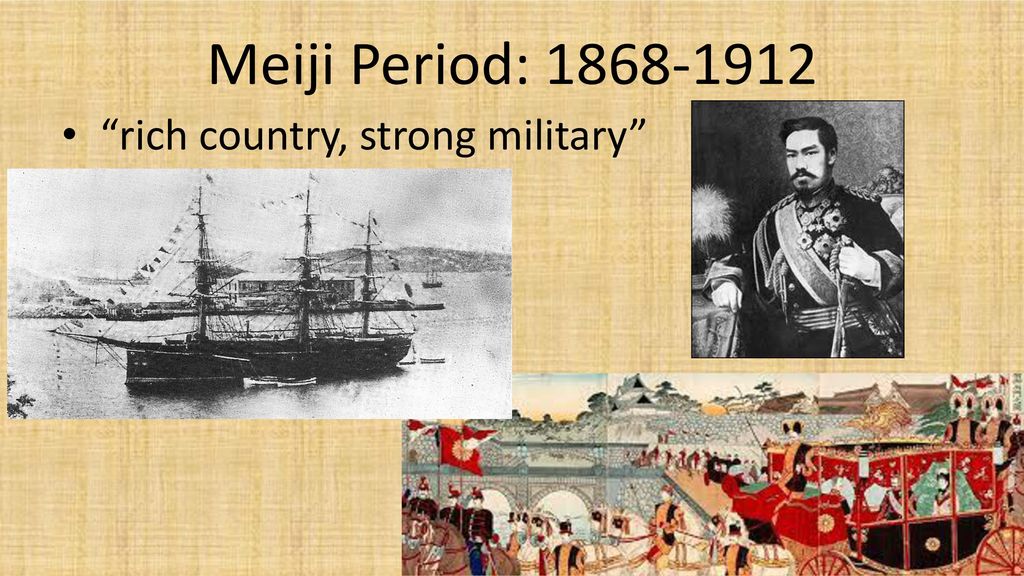
Meiji Japan pushed forward with the national policy of modernization and militarization, called “Rich country, strong military,” which could protect Japan’s independence from European Imperialism.
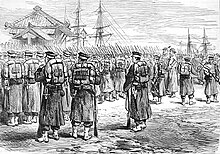
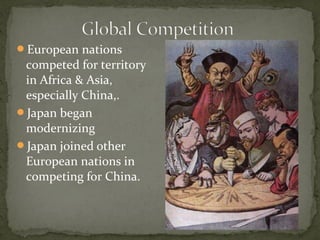
Rather than fall victim to Western imperialism, Japan joined the Western powers as an imperial state.
 Spiritual War in Japan
Leave a comment