In 1612, Tokugawa Shogunate banned Christianity and forced every Japanese family to register with a Buddhist temple to make sure there were no hidden Christians. This policy persisted over 230 years until Meiji Restoration.
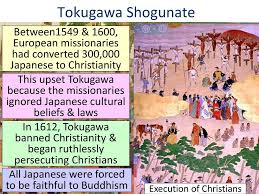
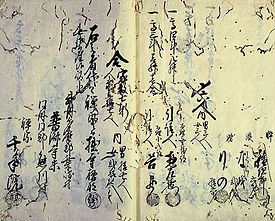
The purpose of the Buddhism registration system was to get Japan rid of Christians. Without a temple registration, a Japanese was considered a hidden Christian to be executed.
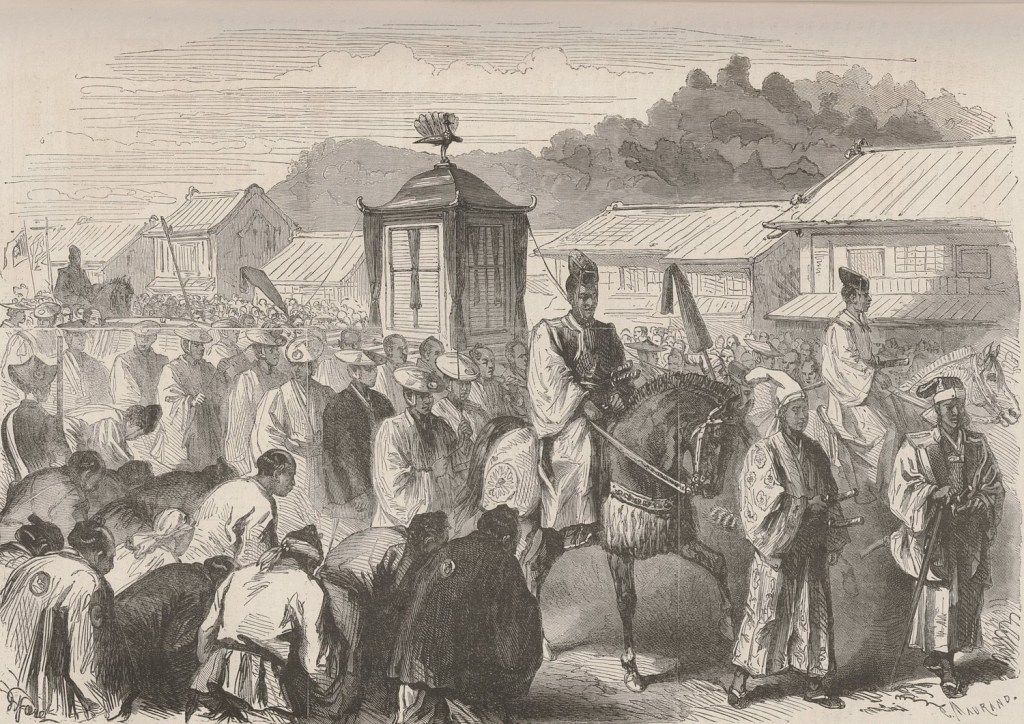
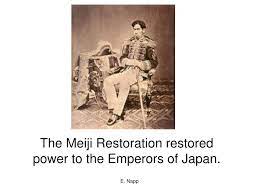
After the Tokugawa collapsed in 1867, the Meiji government chose Shinto as the spiritual foundation of government. Japan’s state religion was changed from Buddhism to Shinto.
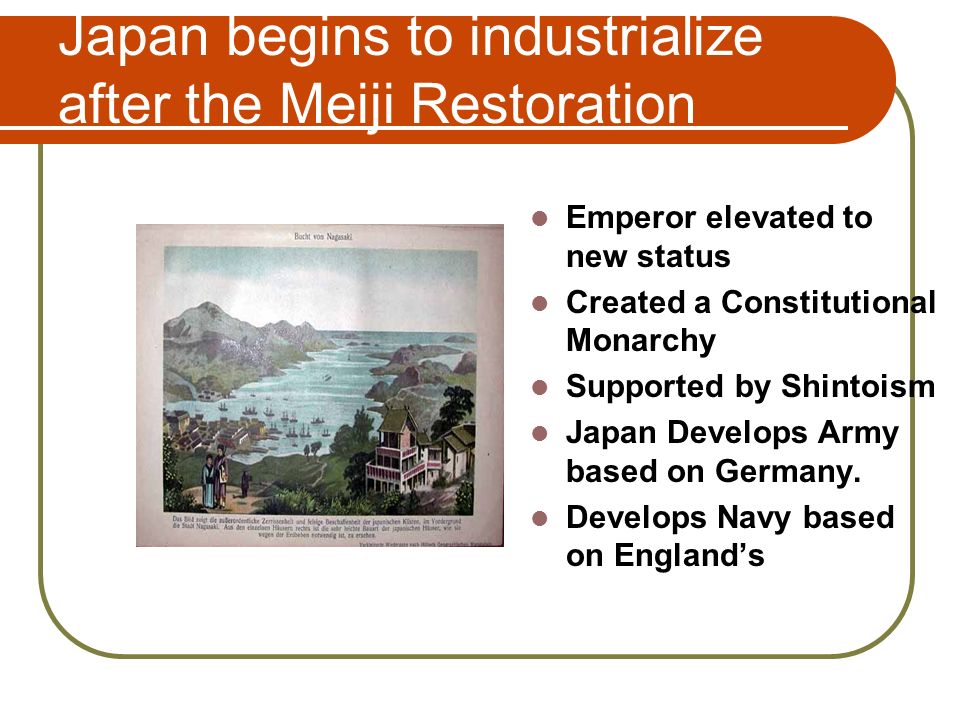
The Meiji leaders quickly moved the Emperor from Kyoto to Tokyo in 1869, a year later of the opening of Japan.
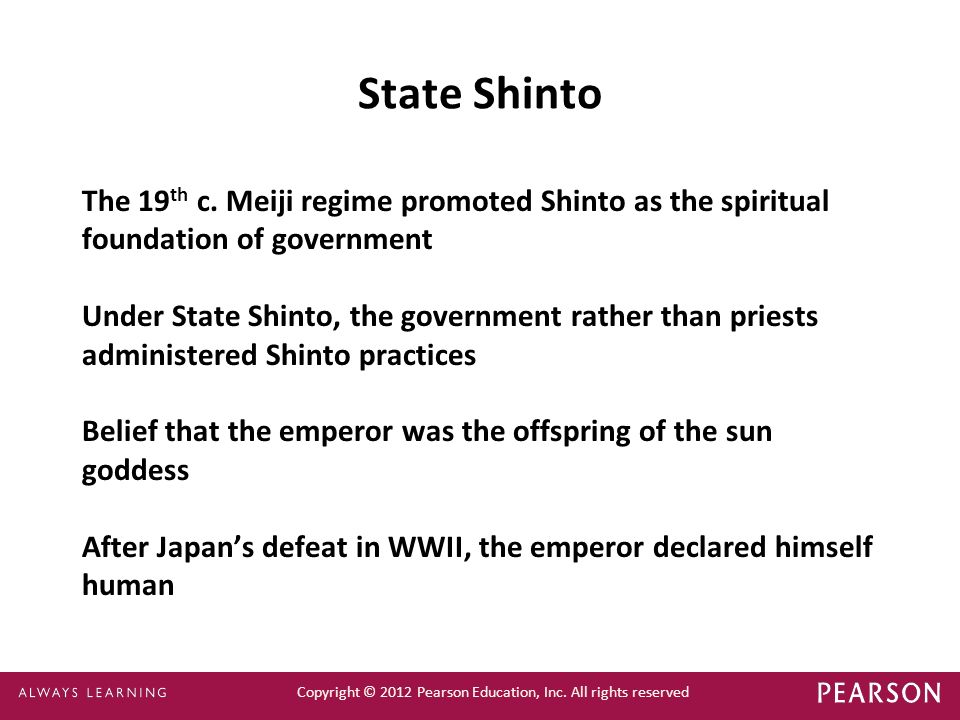
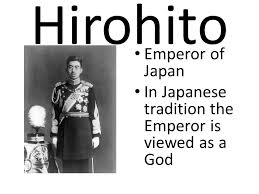
The Meiji leaders started State Shinto, a new state religion based on Shinto, to promote the divine status of the the emperor as a new god of Japan.
The Meiji government followed the Tokugawa’s policy of using a Japanese religion to suppress the influence of Christianity.
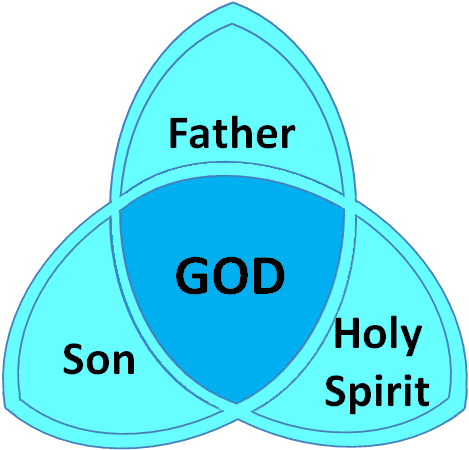
The Meiji government copied the Christian concept of Trinity of God: God (Amaterasu Omikami the creator of Japan ), Jesus Christ (the Emperor), and the Holy Spirit (Yasukuni spirits).
The Emperor became “Japanese Jesus Christ” because State Shinto is a copy of Christianity.
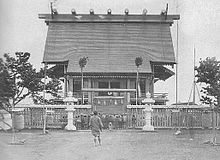
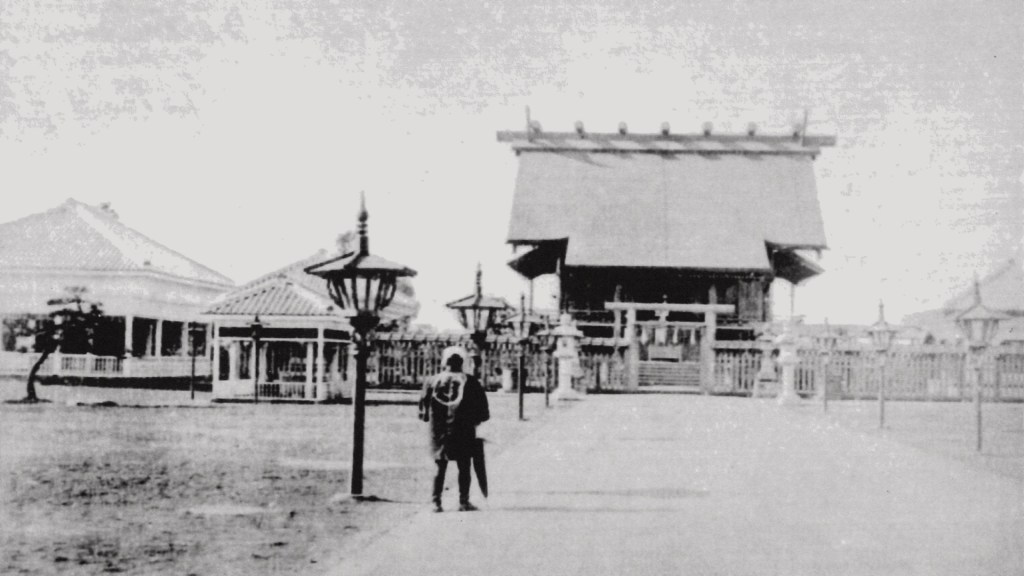
State Shinto had a Japanese version of the Holy Spirit. While moving the Emperor to Tokyo, the Meiji government built Yasukuni Shrine in Tokyo in 1869.
The state shrine enshrined the soldiers who died fighting for the Emperor.
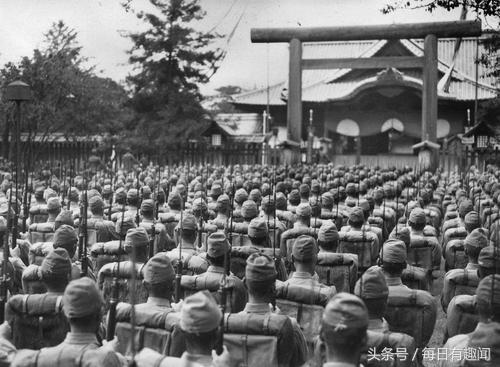
Yasukuni Shrine later became the main altar of State Shinto.
The Japanese Holy Spirits were called “Eirei” (英霊, the hero spirits). Like the Holy Spirit, the Hero Spirits were the advocates for the followers of Japanese Jesus Christ.
But when the Father sends the Advocates as my representative—that is, the Holy Spirit—he will teach you everything and will remind you of everything I have told you. (John 14:26)
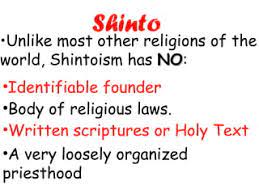
Most of the teachings of State Shinto are borrowed from the Bible, for Shinto has no body of religious laws and teachings.
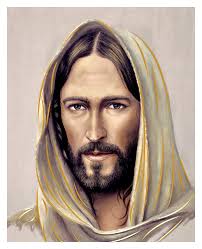
The Meiji leaders with State Shinto faith wanted the Japanese to worship Japanese Jesus Christ, instead of real Jesus Christ.
Development of State Shinto was an anti-Christ movement in the westernization of Japan.
 Spiritual War in Japan
Leave a comment